Kauai has more beach per mile of coast than any other Hawaiian island, and more drownings. Those two facts are related: the beaches are beautiful, remote, and often unguarded, and the ocean changes with the season. This guide sorts the best of them by shore and tells you the thing the brochures leave out, which is when each one is safe.
The one rule
Winter is the north shore’s surf season and the south shore’s swimming season. From about November through March, north swells make Hanalei, Tunnels, Kēʻē and every beach between them dangerous for swimming on most days. The south and west shores are calm then. In summer it flips: the north shore goes flat and the south gets a small swell. If a beach has no lifeguard and you are not sure, do not go in. Kauai’s lifeguarded beaches are Hanalei Bay (Pine Trees and the pavilion), Hāʻena, Kēʻē, ʻAnini (seasonal), Kealia, Lydgate, Kalapaki, Poʻipū and Salt Pond.
North Shore
Hanalei Bay
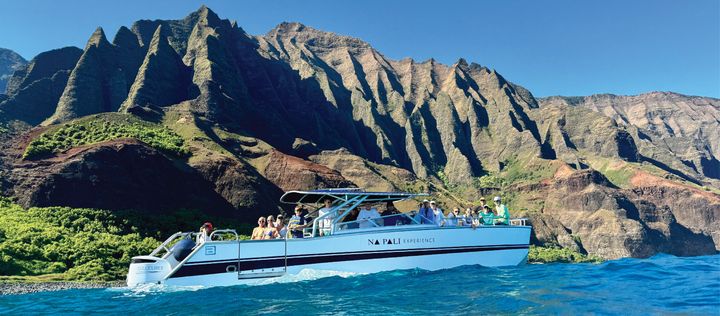
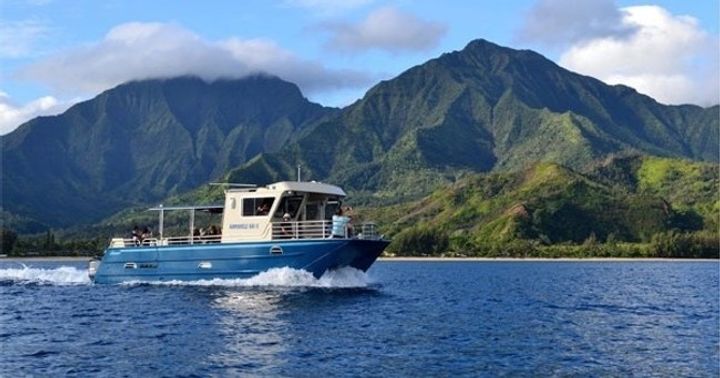
A two-mile crescent of sand under a wall of green mountains with a pier at the east end and the town behind. In summer it is a lake: swim, paddle, learn to surf at the pier. In winter it is one of the great surf breaks in Hawaii and only the surfers go in. Lifeguards at the Pine Trees section and the pavilion. Parking at Black Pot by the pier fills by 10 am. The Nā Pali catamaran loads from this sand, March to December.
Tunnels Beach (Makua)
The best shore snorkeling on Kauai when it is flat: a horseshoe reef with lava tubes, turtles and reef fish in 10 to 30 feet of water, with Mount Makana (Bali Hai) behind. Summer only; in winter the current through the reef gaps is lethal. There is no parking at Tunnels itself; park at Hāʻena Beach Park and walk ten minutes east along the sand. Hāʻena Beach Park has a lifeguard; Tunnels does not.
Kēʻē Beach
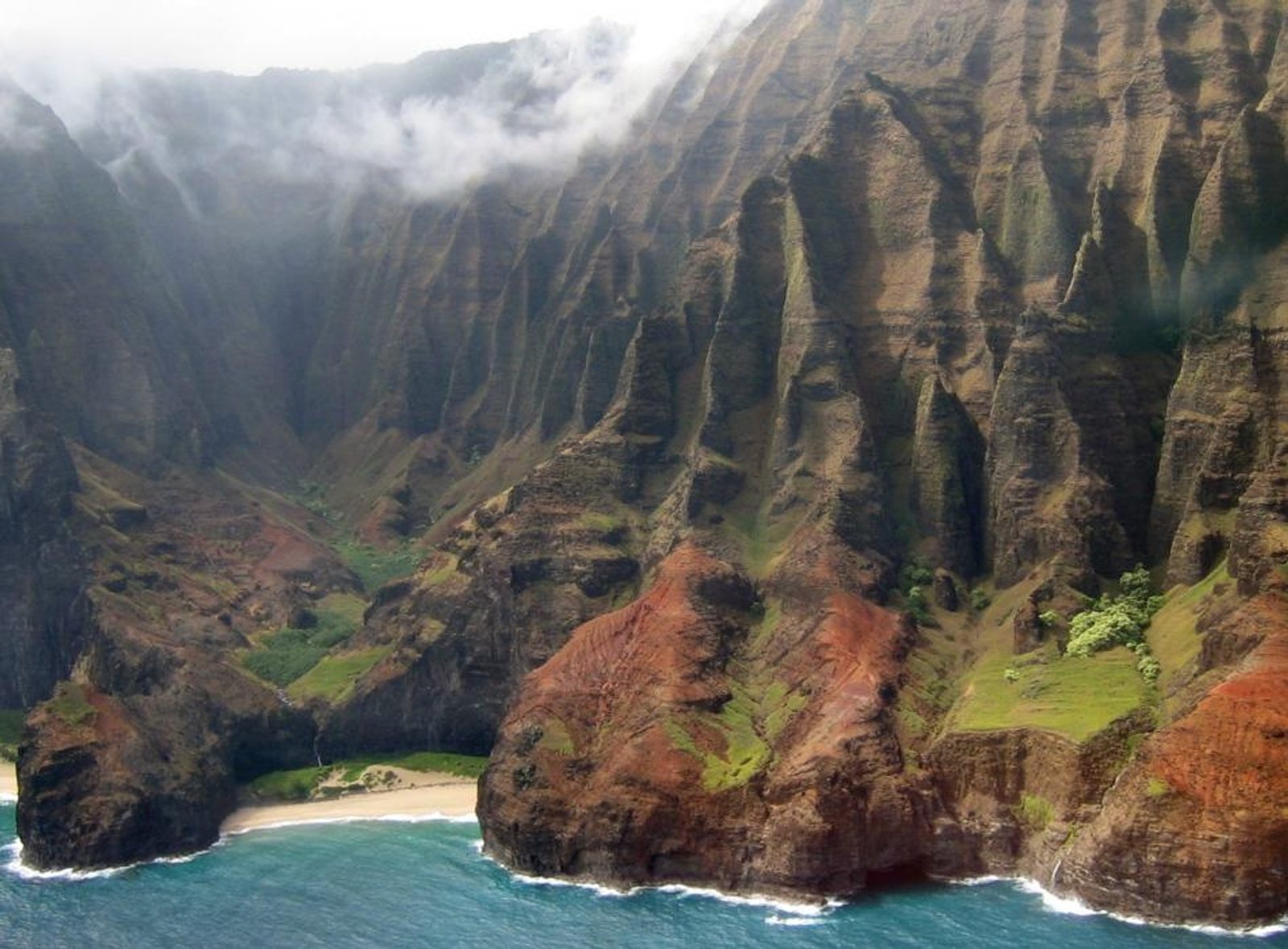
The end of the road and the start of the Kalalau Trail. A reef-protected lagoon that is calm enough for kids in summer and closed by surf in winter, with lifeguards and the sunset over the first Nā Pali cliffs. Kēʻē is inside Hāʻena State Park, which requires an advance reservation for parking or the shuttle; without one you will be turned away.
ʻAnini Beach
Two miles of fringing reef, the longest on the island, hold the swell off a shallow lagoon between Princeville and Kīlauea. The calmest north-shore water in any season, knee-deep for a hundred yards, with beginner snorkeling, windsurfing and camping. The place to take small children up here in winter. Seasonal lifeguard.
South Shore
Poʻipū Beach Park
The island’s family beach and the easiest swim in winter. A natural keiki pool on the left, a sandy cove with turtles and a snorkel reef on the right, lifeguards, showers, grass, and Hawaiian monk seals hauled out behind a rope on most afternoons; stay well back. Sun here when the north shore is raining. Parking fills by midday; Brennecke’s across the street is the bodyboarding beach.
Shipwreck Beach (Keoneloa)
In front of the Grand Hyatt: a wide sandy beach with a cliff at the east end that locals jump from and visitors should not. Shore break and current make it a walking and sunset beach more than a swimming one. The Māhāʻulepū trail starts here.
Māhāʻulepū
The wild beach at the end of the two-mile coastal trail from Shipwreck, or down a dirt road through the old cane fields. Sea cliffs, lithified sand dunes, a blowhole, monk seals and almost no people. No lifeguard, strong currents; it is for walking and looking. Bring water and go in the morning.
East Side and Līhuʻe
Kalapaki Beach
The sheltered bay by the Marriott in Līhuʻe, five minutes from the airport. The harbor breakwater takes the swell off it, so the waves are small and even, the best on the island for a first surf or stand-up paddle lesson. Lifeguards, rentals on the sand, and a beach bar at the end. The water is not as clear as the north shore; the convenience makes up for it.
Lydgate Beach Park
Two rock-walled pools at the mouth of the Wailua River, one for toddlers and one for swimming and beginner snorkeling, protected from the open ocean in every season. Lifeguards, a huge playground, and the start of the coastal bike path. The best beach on the east side for small kids and the only one we send beginners to snorkel on this coast.
Kealia Beach
A long, open beach just north of Kapaʻa with a lifeguard, a bodyboarding break at the north end and the coastal path running behind it. Rough for swimming most of the year; perfect for a sunrise walk and for watching whales from the path in winter.
West Side
Salt Pond Beach Park
A reef-protected cove in Hanapēpē where local families swim, with a lifeguard, calm water inside the reef, and the salt pans beside it that Hawaiian families have worked for generations. Five minutes from the Port Allen harbor and the natural stop after the morning Nā Pali raft.
Polihale State Park
Seventeen miles of sand on the west coast, reached by a rough five-mile dirt road that needs a 4WD and claims rental cars every week. At the north end the beach ends against the first Nā Pali cliff; at sunset Niʻihau sits on the horizon. No lifeguard, a brutal shore break and strong currents; it is for walking, camping and the sunset, not swimming. Bring everything, including shade.
Snorkeling, in one paragraph
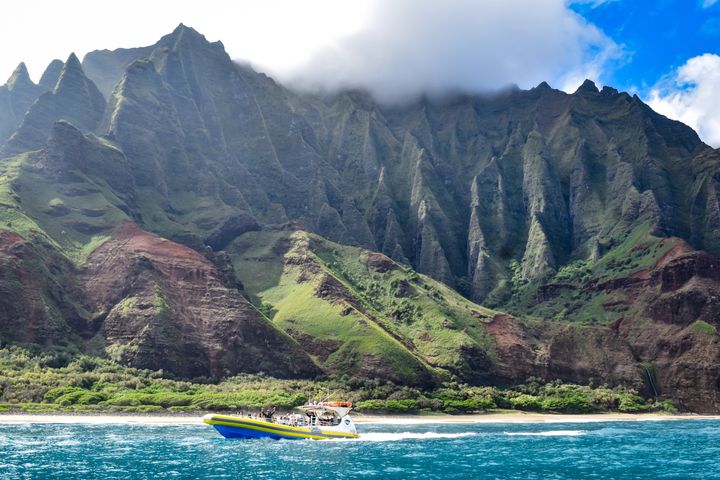
From shore, in order: Tunnels (summer), Kēʻē (summer), Poʻipū Beach (year round, best in winter), Lydgate pools (year round, beginners), ʻAnini (year round, shallow). For the best snorkeling on the island you go by boat: the reefs under the Nā Pali cliffs on the raft or the Hanalei catamaran in summer have clearer water and more fish than anything you can walk into.
Planning around the beaches
Base on the south shore in winter and the north shore in summer if swimming is the point. For the rest of the week, every tour on this site has one page with prices, seasons and the fine print; start with the ranked list, and use the regions map for drive times between the beaches and the harbors.
Written by Kauai locals who spend their days on the water and the trails. How we make money.